How to Properly Clean and Maintain your Antique Bath

Antique baths are more than just functional fixtures, they’re statement pieces that bring character, history, and timeless elegance into your bathroom. Whether you own a Victorian roll top bath or a classic cast iron slipper bath, proper cleaning and maintenance are essential to preserve its beauty and longevity.

We often get asked about how much work goes into owning cast iron baths. The truth is it’s a great product that’s actually very easy to maintain. With simple maintenance you can be sure your bath stays as new for years to come.

In this guide, we’ll walk you through the best ways to clean and care for an antique bath without damaging its original finish.
Why Antique Baths need special care

Most antique baths are made from cast iron and coated with enamel. While this makes them incredibly durable, the surface can still be vulnerable to:

  • Scratches from harsh cleaning tools
  • Dulling from abrasive chemicals
  • Rust if the enamel becomes damaged

Despite how tough these baths are, you do need to use gentle cleaning methods. This will prolong the looks for years to come.

Unlike modern acrylic tubs, antique baths benefit from gentle, consistent maintenance rather than aggressive cleaning.

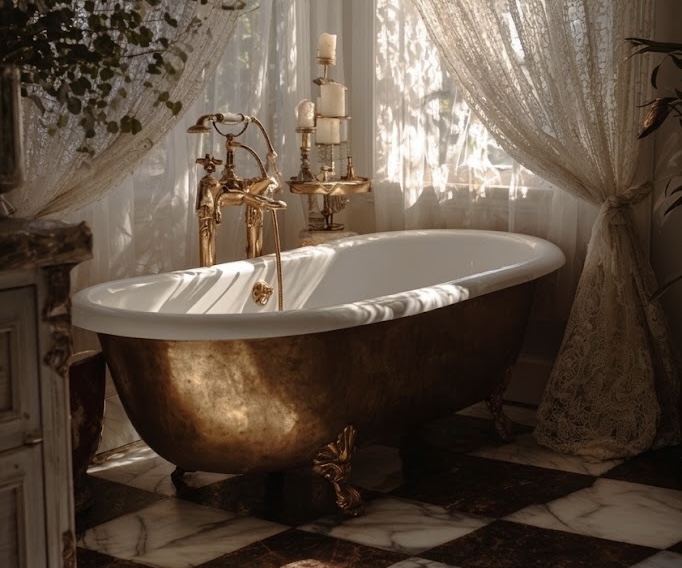
Vintage bathroom featuring a gold antique bath with gold fixtures, sheer curtains and checker style tiles

What to avoid

Knowing what not to use is just as important as knowing how to clean your bath.

Anything acidic and abrasive will damage the surface. The exterior will eventually require refinishing if you use the wrong products.

You should also be mindful of everyday items and habits:

  • Be careful with bath mats and tidy trays across the bath
  • Avoid dripping taps that can cause marks over time
  • Be extra cautious with essential oils, as these will need thorough cleaning and wiping to remove residue

A new coating can be expensive, but it’s built to last if you look after it properly. If your bath does lose its shine over time, there are options, these include buffing and polishing the enamel can help bring back that lovely finish.

Daily cleaning: keep it simple

Regular cleaning is the easiest way to keep your antique bath looking its best.

What to use:

  • Warm water
  • Mild liquid soap or washing-up liquid
  • A soft cloth or non-abrasive sponge

What to do:

Once you have finished bathing, you should rinse, clean, and dry the tub. The non-porous vitreous enamel coating helps keep the inside of the bath free from limescale and soap residue, making cleaning quick and simple.

To remove light soap marks, a damp cloth is usually enough.

For more stubborn residue:

Simply fill the bath with warm water, add a small amount of washing-up liquid, and allow it to sit for around 30 minutes. Then wipe it down with a dry cloth for a great finish.

What to avoid:

  • Bleach
  • Abrasive powders
  • Scouring pads or steel wool

These can wear down the enamel over time and leave permanent marks.

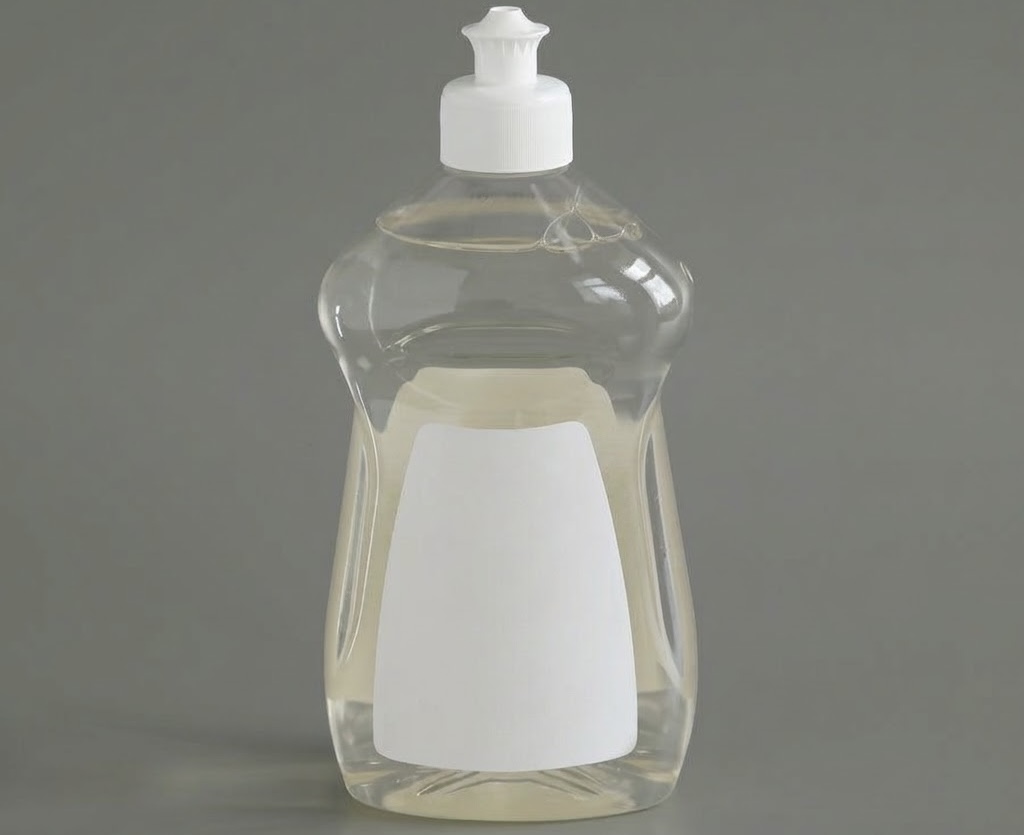
Clear plastic bottle containing washing up liquid with a white label and cap
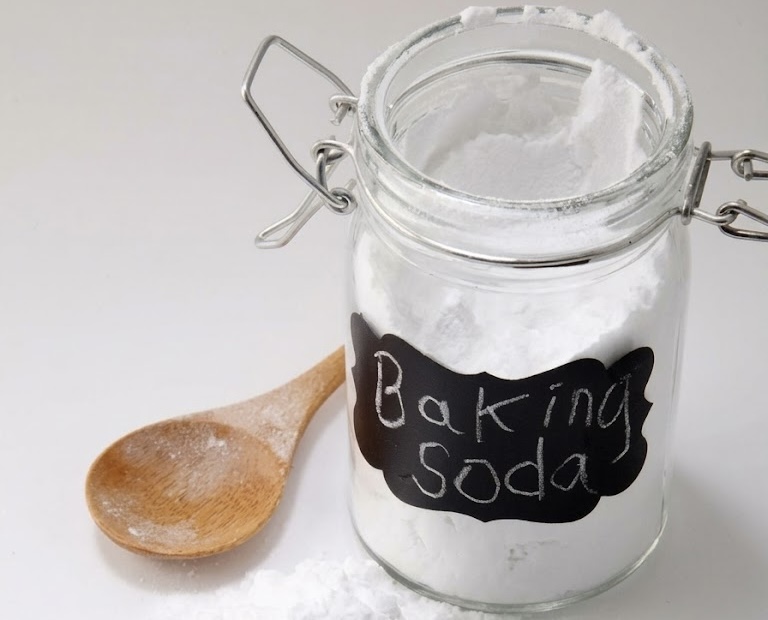
Clear glass jar containing baking soda powder, featuring a wooden spoon and black label

Deep cleaning your Antique Bath

Every couple of weeks, you may want to give your bath a more thorough clean.

Step-by-step method:

  1. Rinse the bath with warm water
  2. Apply a gentle, non-abrasive cleaner
  3. Use a soft sponge to clean the surface
  4. Pay attention to edges and around the drain
  5. Rinse thoroughly and dry with a soft cloth

Drying the bath helps prevent water spots and keeps the enamel looking glossy.

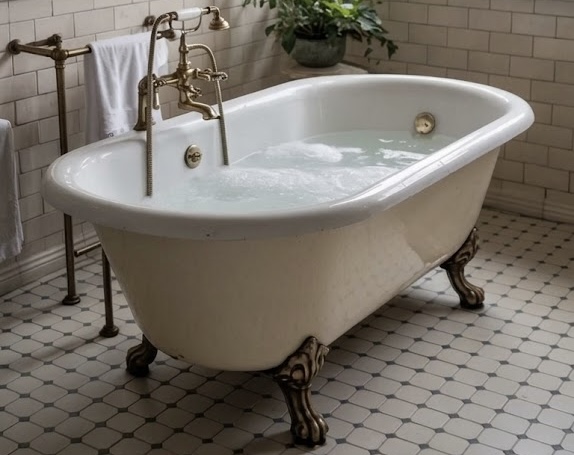
Classic white antique bath with brass fixtures, set against neutral floor tiles

How to deal with stains

Over time, you may notice stains from hard water, soap, or general use.

For light stains:

A mixture of baking soda and water can act as a gentle cleaner. Apply it with a soft cloth and rinse thoroughly.

For tougher stains:

Use a specialist enamel-safe cleaner and always test in a small, hidden area first.

Avoid leaving any cleaning products sitting on the surface for too long, as this can dull the finish.

Preventing rust and damage

Rust is one of the main concerns with antique cast iron baths—but it’s usually preventable.

Key tips:

  • Dry the bath after use
  • Avoid leaving metal objects sitting on the surface
  • Repair chips in the enamel as soon as possible

Taking these simple steps will help protect the bath and extend its lifespan.

Caring for the exterior

Many antique baths have painted or polished exteriors that need separate care.

In terms of the exterior, just do your best to keep it clean and dry. If there are water drips or condensation, wipe it down promptly.

  • Use soft cloths when cleaning or dusting
  • Avoid harsh chemicals that could damage the finish
  • Treat the exterior with care, especially if it has been restored or hand-painted
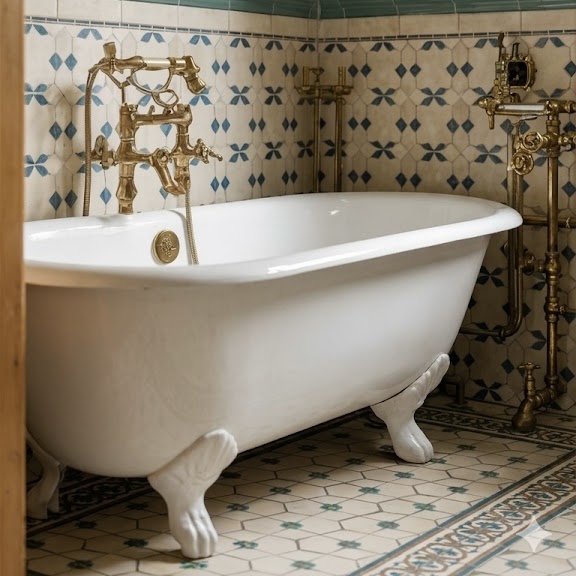
Vintage bathroom with white antique bath and brass fixtures and blue pattern tiles
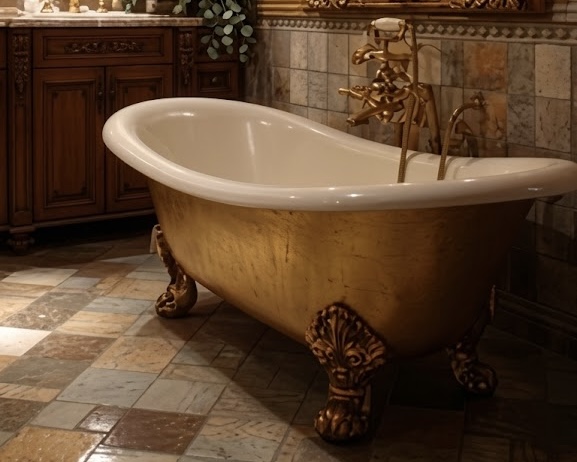
Vintage bathroom with gold clawfoot antique bath, colour square tiles and wooden cupboards

Long-term maintenance tips

To keep your antique bath in top condition for years to come:

  • Avoid dropping heavy objects into the bath
  • Use bath mats carefully to prevent trapped moisture
  • Check seals and fittings periodically
  • Consider professional refinishing if needed

A new coating can be expensive but it’s built to last if you look after it properly. We are happy to advise our customers on other options for ‘Buffing & Polishing’ the enamel to bring back the lovely shine on your bath.


Is it worth the effort?

Absolutely. With proper care, an antique bath can last for generations. These baths are built to stand the test of time, and maintaining them ensures they remain a standout feature in your home.

Cleaning and maintaining an antique bath doesn’t require expensive products or complicated routines, just consistency and a gentle approach.

With simple, regular care, your bath will retain its beautiful finish and continue to look as good as new for many years to come.